Senegal
Dakar, Saint-Louis and Fouta Region
Senegal has long been a convergence point between the transatlantic and the trans-Saharan worlds. From the fifteenth to nineteenth centuries, Senegambia (a region comprising modern-day Senegal and The Gambia) was an important hub for the Transatlantic Slave Trade, where enslaved Africans from the interior were captured, traded in coastal port areas, and then transported to the Americas. European forces competed for this strategic position, with the French eventually controlling the region and establishing permanent settlements such as Saint-Louis, Gorée, and Dakar. As a French colony, racial slavery was officially abolished in 1848, although various forms of slavery and servitude persisted. As a result, enslaved people in neighbouring regions fled to areas controlled by the French, particularly in the Senegal River valley and the Fouta region of northern Senegal. Many of these fugitives, however, were placed in regimes of forced labour for the French colonial administration, lured by the false promises of freedom proclaimed in settlements known as villages de liberté (Freedom Villages). In the decades following emancipation, France consolidated its colonial grip over the region, with Saint-Louis serving as the capital of the French empire in West Africa. At the turn of the twentieth century, Dakar officially became the capital of French West Africa. It continues to serve as the capital of Senegal since the country gained its independence in 1960. While slavery has been abolished for more than 150 years, traditional systems of servitude are still entrenched in Senegalese society today.
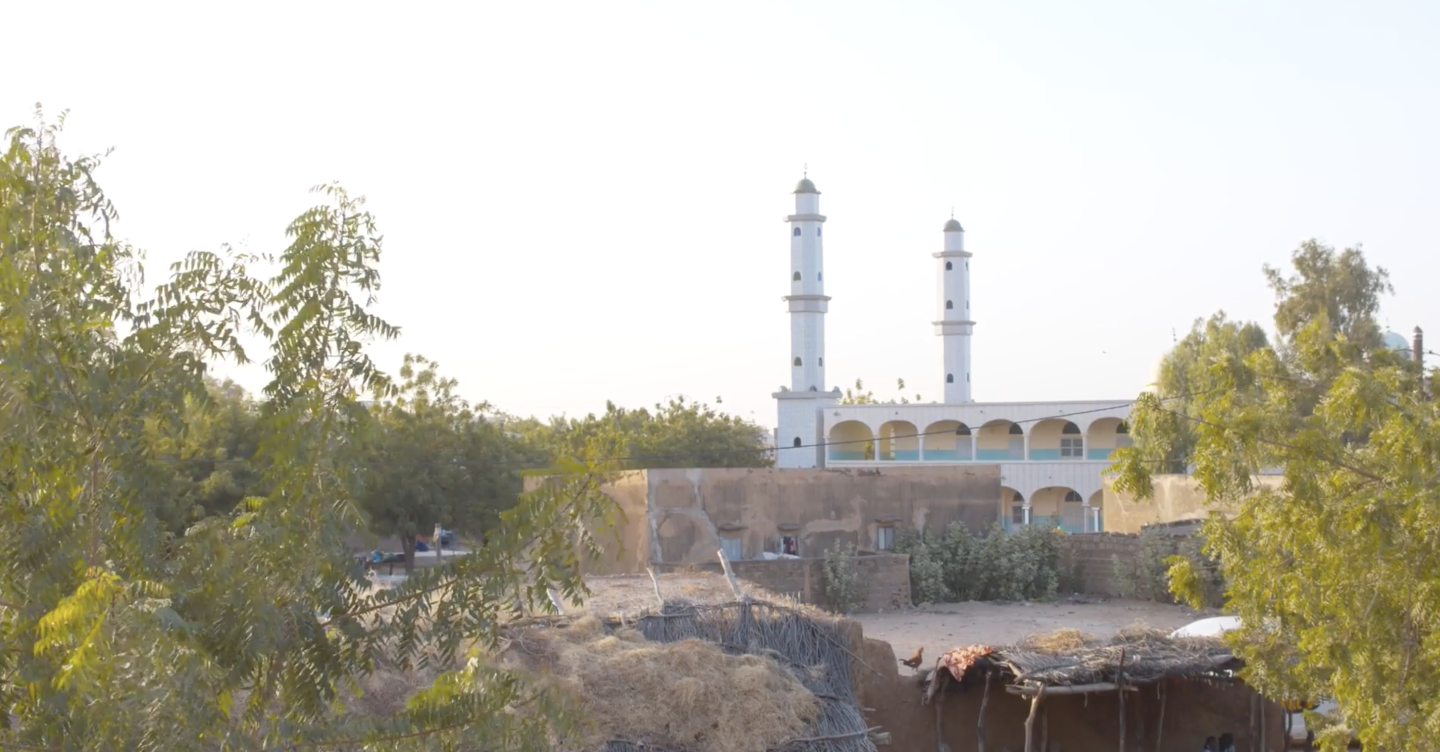
Interviews for The Unfinished Conversations Series were conducted across three locations in Senegal: Dakar, Saint-Louis, and villages in the Fouta region. Interviewees included descendants from former Freedom Villages in the area of Saint-Louis, Louga, and Matam, as well as individuals who have been enslaved in traditional systems of servitude. Several of them spoke about the historical and cultural dimensions attached to this status in Senegalese society, in addition to the stigmatization that they still endured today. Yet, they also highlighted ways that they overcome such hardships, both individually and collectively, most notably with support of the international antislavery association Endam Bilaali. Through historical memories, songs, and traditional forms of storytelling, these interviews shed light on a pivotal period in Senegal’s history during which colonial domination intensified and reshaped social, cultural, and familial structures throughout the region.