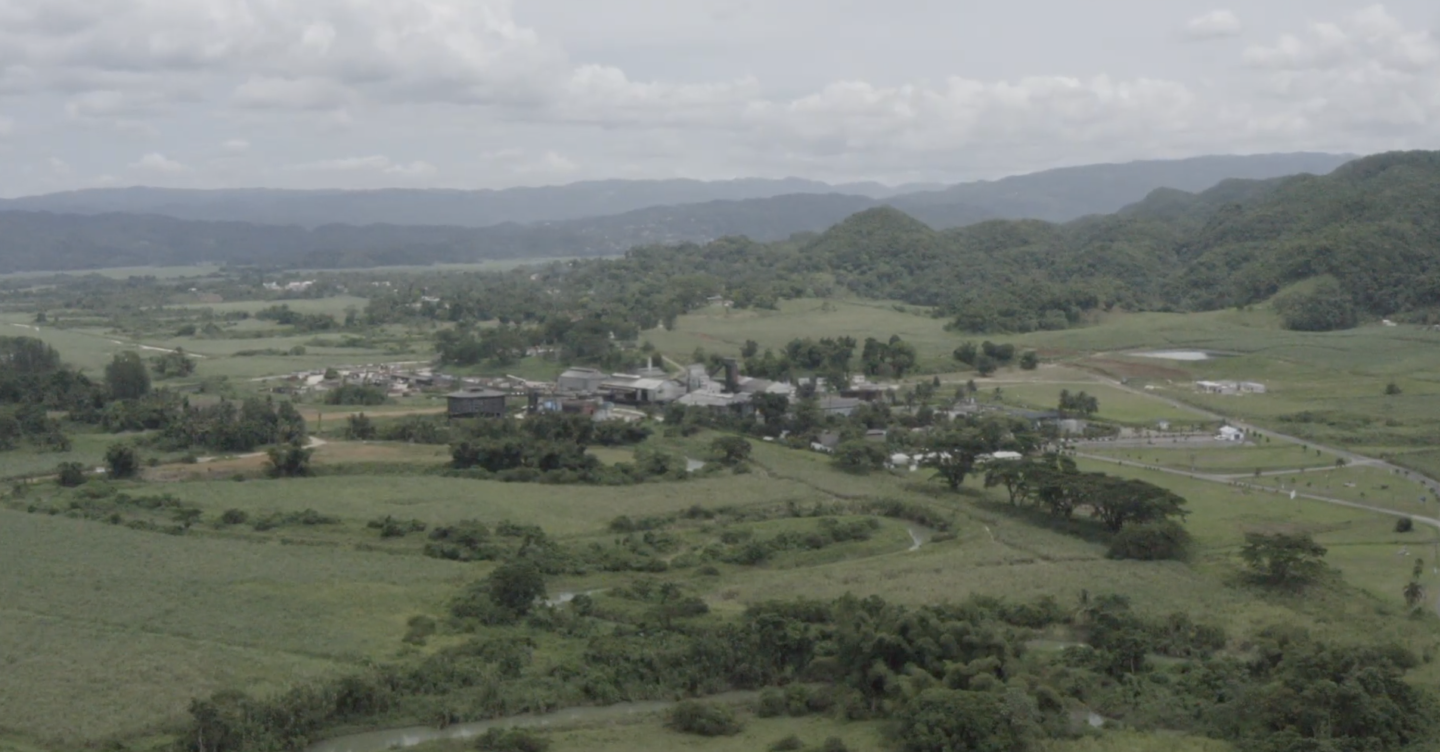
Jamaica
Kingston and Charlestown Maroons
The indigenous Taíno inhabited the island of Jamaica centuries before the arrival of the Spanish in the early sixteenth century and later the British in the seventeenth century. Racial slavery was a cornerstone of society under Spanish and British rule; however, there is a long history of antislavery resistance and maroonage in Jamaica that has profoundly influenced its colonial history, traditions, and culture to this day. While the island became one of the most important sugar plantation colonies in the Caribbean, successive revolts and armed conflicts were mounted by allied Maroons and Taíno, thereby forcing the British to sign treaties that guaranteed a level of autonomy and control over land. The British parliament abolished racial slavery in 1833, yet an apprenticeship system where formerly enslaved people were required to work for their masters in exchange for provisions persisted until 1838. The post-emancipation period saw renewed opposition against colonial rule and racial inequality, despite Jamaica’s independence from the United Kingdom in 1962. This history of antislavery and anticolonial struggle, combined with strong political activism calling for self-determination and a Black consciousness, as exemplified by Garveyism, Rastafarism, and the Black Power movement, made Jamaica into an influential cultural and political force, particularly throughout the twentieth century. As the legacies of racial slavery and colonialism continue to shape Jamaican society, there are growing calls for reparations and a move toward full republicanism.
Interviews conducted for The Unfinished Conversations Series feature some of the leading voices on Jamaica’s slave past, Black radical histories, and current debates around reparations. They spoke about the lasting impacts of racial slavery and British colonialism in terms of racism, colorism, education, and economic inequality, but also ways to envision a better future in Jamaica. In addition, interviews were conducted with representatives of the Charlestown Maroons, who spoke about the community’s history, strong relationship to the land, self-determination, indigeneity, sense of freedom, and cultural practices and traditions that are still alive today.