Brazil
Rio de Janeiro
Brazil was the largest slave society in the Atlantic World. Between the sixteenth and nineteenth centuries, almost 40 percent of the nearly 12 million enslaved Africans transported to the Americas arrived through Brazilian port cities like Rio de Janeiro and Salvador. Enslaved Africans labored in several sectors, including sugar, coffee, mining, and livestock, transforming Brazil into one of the wealthiest colonies of the Portuguese Empire. Yet, there is a long tradition of resistance against these systems of exploitation, as illustrated most notably by Brazil’s history of marronage and the establishment of maroon communities known as Quilombos. While independence from Portugal was declared in 1822, domination by the white elites endured, and Brazil became the last country in the Western hemisphere to abolish racial slavery in 1888. To this day, the legacies of racial slavery and colonialism continue to shape the country’s built environment, political, economic, and educational systems, and importantly, the everyday lives of Afro-Brazilians.
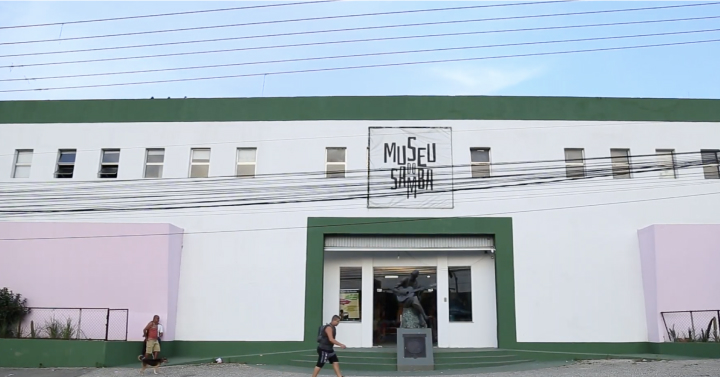
Interviews for The Unfinished Conversations Series were conducted with an intergenerational cohort of Black educators, activists, and artists in Rio de Janeiro. Interviewees connected present-day struggles for education, socio-economic mobility, and racial/gender-based violence prevention to the country’s slave and colonial past. Some spoke of lingering erasures of these histories within Brazilian society, particularly as it related to the Cais do Valongo (Valongo Wharf) heritage site, unearthed during proprietary work for the 2016 Olympics. The interviews also reveal how cultural practices like samba and capoeira—born out of Indigenous, African, and some European influences—constitute important forms of knowledge production, resistance, and self-empowerment for formerly enslaved and colonized communities. As much as Brazil’s history has been defined by the violent legacies of the transatlantic trade, so too has it been shaped by the cultural traditions, religious and spiritual movements, and creative expressions of its African-descended population.